
Why Remount Road
The Charleston most visitors never see.
Charleston is known as the Holy City. It's been named a top tourist destination in America for years, and about forty new people move here every day. A few miles up the interstate is a part of Charleston that doesn't show up in the travel guides. That's where the Hub is.

The center point
Where I-26 meets I-526.
At the literal center of greater Charleston, two interstates come together and so do people: a density of poverty, immigrants, and refugees unlike anywhere else in the tri-county. This is a minority-majority neighborhood, with many languages and cultures and a lot of need. Gentrification on the peninsula has pushed people here. Church attendance across Charleston is falling while the population explodes. Newcomers are looking for jobs, homes, and schools, not a church home.
Waiting for people to walk into a church building won't reach them. So the Hub has a lot of open doors: English classes, a clinic, a soccer field, sewing classes, and plenty of shared meals.
Remount Road · 29406
The numbers behind the neighborhood.
From the community health needs assessment that led to Resurrection Health.
| Measure | Remount Road area | What it means |
|---|---|---|
| Residents qualifying as low-income | 57% of 36,200 | More than half of our neighbors |
| Health-center penetration | 5.7% | 94% of residents aren't served by any health center |
| Life expectancy, lowest census tracts | 66 years | Adjacent tracts: 81+. An 18-year gap to the state average. |
| Diabetes · hypertension · obesity | 15% · 34% · 37% | Among the worst in the tri-county |
| Low birth-weight babies | 11% | |
| No usual source of care | 25% | One in four |
| Delayed or skipped care because of cost | 20% | One in five, in the past year |
| Vulnerable / at-risk individuals within 3 miles | ~20,000 | The "Power of Zero": bring that number toward zero |
Darkness to light
A hard history, and a different ending.
To understand what welcome means in Charleston, you have to know what this harbor used to be.
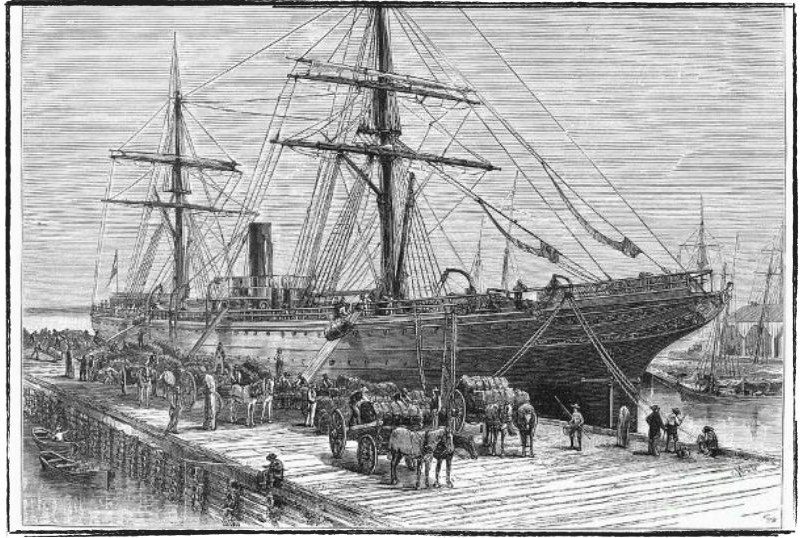
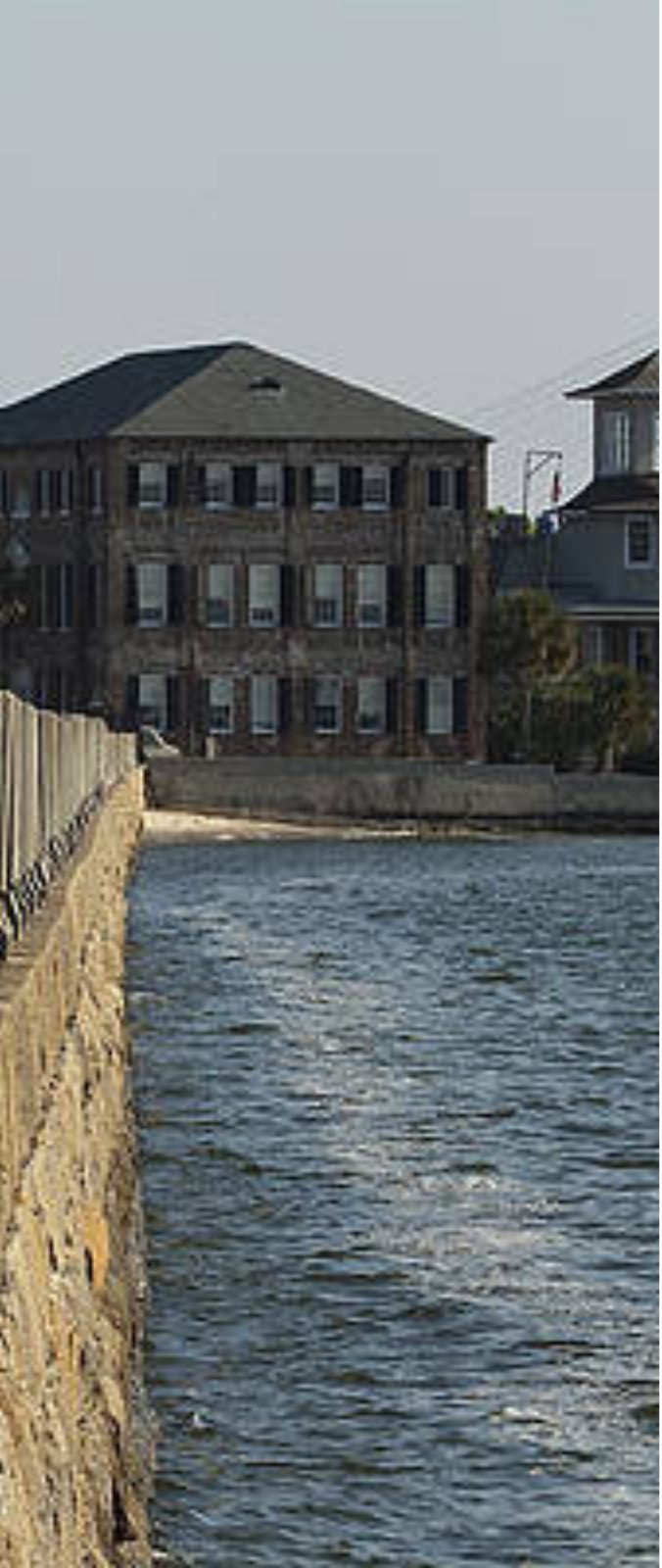
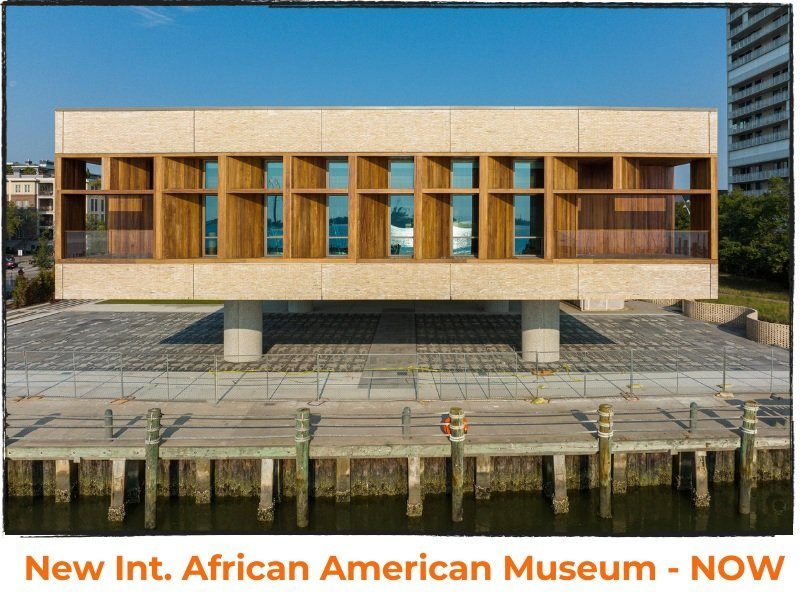
1670 to 1808. Gadsden's Wharf on the Cooper River received more enslaved Africans than any other place on the mainland, as many as 260,000 people. For their descendants it was, in the words of our own prospectus, "their infamous Ellis Island." Today the International African American Museum stands on that wharf to honor them.
1745. One of the captains who carried people to this harbor, John Newton, came under conviction, repented, and spent the rest of his life proclaiming that every person is made in the image of God. He wrote "Amazing Grace."
June 2015. A gunman murdered nine worshipers at Emanuel AME Church during a Wednesday night Bible study, hoping to start a race war. Instead, the families answered with forgiveness, the city came together, and churches across greater Charleston prayed, served, and grieved side by side.
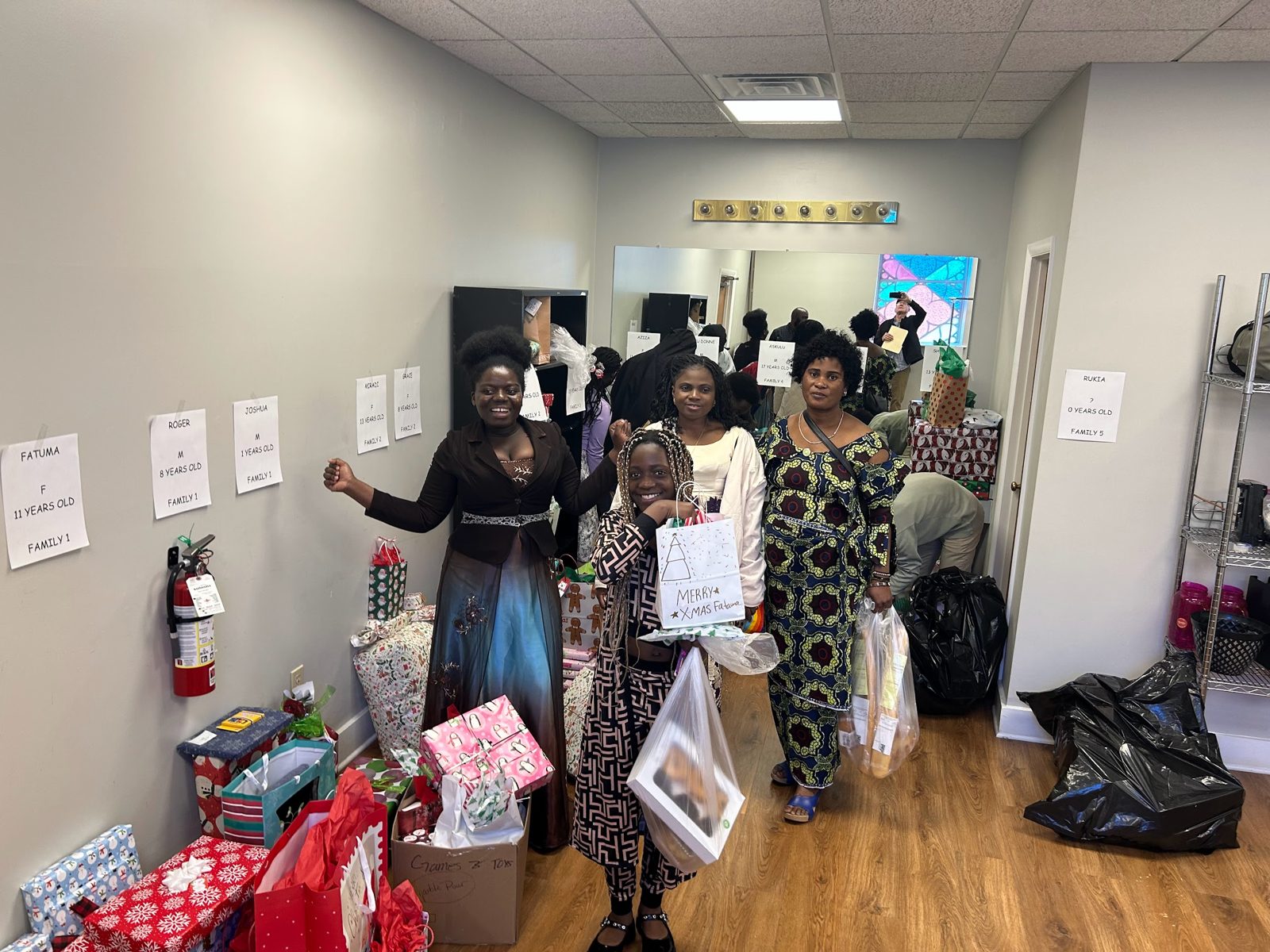
Today. Refugees from Congo and a dozen other nations arrive in this same harbor city, and this time they're welcomed. We want the Hub to be a little Ellis Island of the right kind: a place where people who arrive alone find family, and see that the gospel is for everyone.
"Let your light shine before others, so that they may see your good works and give glory to your Father who is in heaven."Matthew 5:16
Who's at the table
The neighbors the Hub exists for.
Relational poverty is the number-one issue, alongside economic, social, physical, and spiritual poverty. Everything we do is a bridge back to relationship.Craig Tuck, Executive Director
Come see it